From the maker
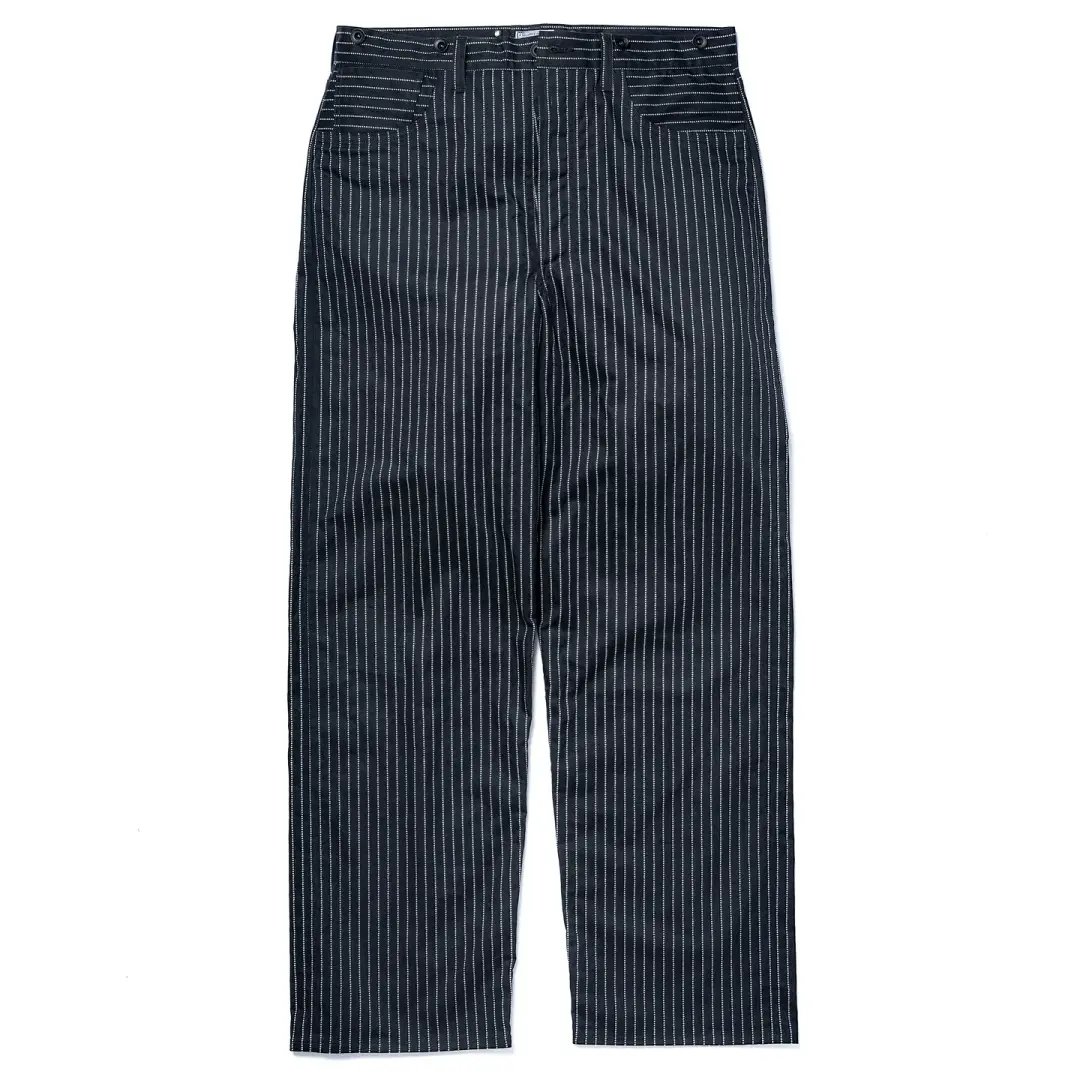
BLACK WABASH WORK TROUSERS were a popular work garment worn by steam locomotive crews in the early 20th century. Their light weight and relative breathability adapted well to the hot conditions found while driving and firing a steam train without overheating.
In the early 1900s, calico fabric surged in popularity, specifically they were targeted towards railroad workers and laborers. Coinciding with this, 'discharge printing' emerged as a technique in fabric manufacturing. The technique of discharge printing involves dyeing of fabrics, followed by the creation of a repeated pattern, through a process that removes dye from the fabric via oxidation.
By the 1910s, manufacturers were producing custom discharge prints for railway companies, often incorporating company marks. Indigo was the most common dye used for these fabrics, a tradition brought to America through European textile practices. Discharge-printed indigo cloth would later become known as Wabash.
Black Wabash represents a far rarer variation. Rather than indigo, the fabric is dyed using sulfur, and is believed to have been developed in the 1930s as demand for indigo cloth declined. The small number of surviving examples suggests limited production. This garment reproduces that scarce vintage material through close examination of original pieces.
While historical records are incomplete, sulfur-dyed Wabash fabrics do exist in vintage workwear. Sulfur dye is known to fade in line with its original tone, and in the case of black, the fabric is expected to age gradually towards a softer gray with wear and washing.
The term "Wabash fabric" likely originated from its adoption by the Wabash Railroad for uniforms. It became colloquially known as 'Wabash' fabric and was briefly named as such in clothing catalogues from the 1910s. Decades later, when the fabric experienced a revival, it was once again given the moniker ‘Wabash.’
The buttons used in this garment are referred to as "Economy Riveted Buttons," which were commonly seen in the 1930s and were custom-made. The fine lines and thinness of the button top, as well as the curvature of the stem, are a testament to the level of craftsmanship that went into their creation. Our BLACK WABASH WORK TROUSERS feature a five pocket construction, cinch back waist, and suspender buttons.
100% Cotton, Discharge Printed Fabric
Economy Black Oxide Coated Buttons
Cotton Sewing Thread Construction
Cinch Back Waist
Suspender Buttons
Made in Japan
BLACK WABASH WORK TROUSERS
The Real McCoy'sapproximately≈$586 · the shop's price£445.00
By Joe McCoy
Ships from Leeds, England, United Kingdom
The Real McCoy's
How buying works here
Plukio doesn't sell this. You check out on The Real McCoy's's own site, at their price.
Price, options and stock last checked today.
Reviews
No reviews yet
Bought this from The Real McCoy's? Write a review.
More from The Real McCoy's
You might also like


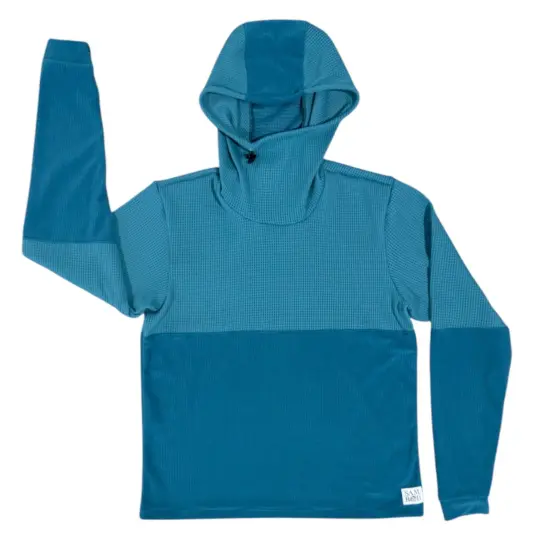

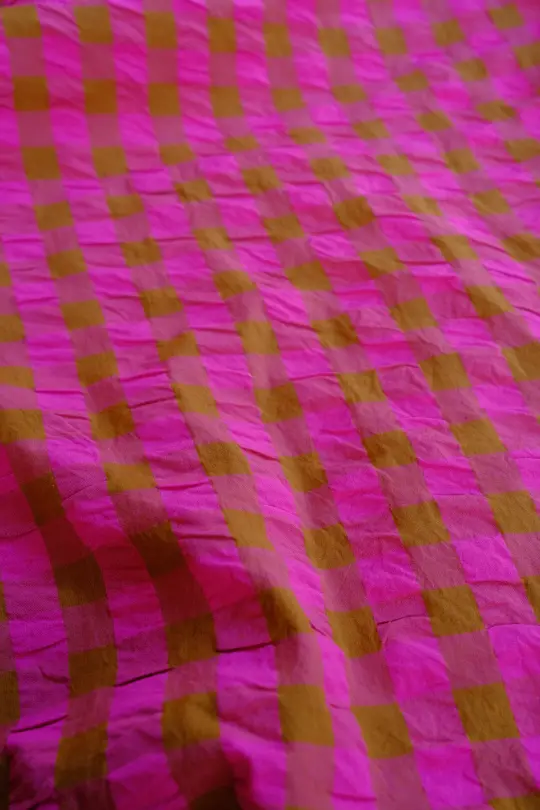
CUSTOM style in the fuschia pink/toffee brown seersucker check fabric
approximately≈$230 – $313 the shop's price€210.00 – €285.00
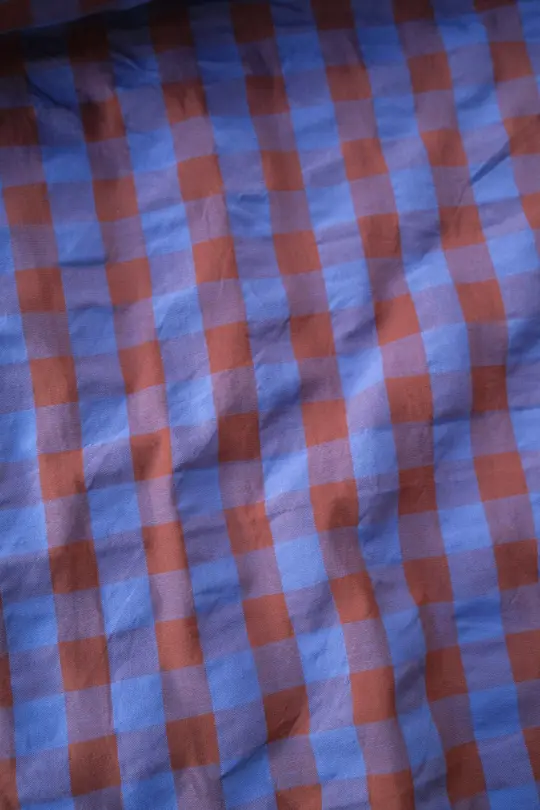
CUSTOM style in the periwinkle blue / clay brown seersucker check fabric
approximately≈$230 – $313 the shop's price€210.00 – €285.00
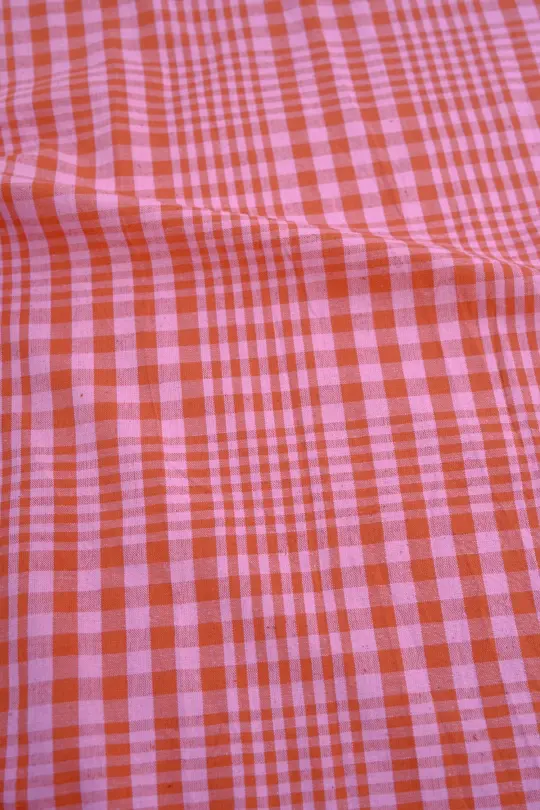
CUSTOM style in the pink /clay plaid fabric
approximately≈$230 – $313 the shop's price€210.00 – €285.00